Tiered Link Building With GSA SER
What Is Tiered Link Building with GSA SER?
Tiered link building with GSA SER refers to a structured SEO strategy where backlinks are organized into multiple layers to amplify ranking power while insulating a money site from direct low-quality links. At its core, GSA Search Engine Ranker automates the creation of diverse backlinks across platforms like web 2.0 blogs, forum profiles, social bookmarks, and article directories. In a tiered setup, the first tier consists of high-quality, relevant links pointing directly to your main website. The second tier then points links to those first-tier properties, passing link equity upward. Third and subsequent tiers can use more aggressive, automated link types, feeding power through the chain.
The tool excels at handling the lower tiers where volume and diversity matter most. Instead of manually building hundreds of links, GSA SER can be configured with precise filters, anchor text patterns, and scheduling to populate tier 2 and tier 3 assets continuously. This layered approach mimics natural link growth while shielding the primary site from algorithm penalties associated with direct spammy links.
How Tiered Link Building Works in GSA SER
The system relies on a pyramid structure. Each layer has a distinct role, and GSA SER’s flexibility allows SEOs to customize every level based on risk tolerance and resource availability.
Tier 1: The Quality Foundation
Direct links pointing to your money site. These are often manually created or semi-automated using curated content and aged domains. GSA SER can contribute here when set to target only high-authority platforms, using hand-written spun content, relevant keywords, and low outbound link ratios. Examples include:
- Web 2.0 blogs on WordPress.com, Blogger, or Tumblr with unique articles
- Niche-relevant guest posts obtained via outreach or premium networks
- Branded social profiles and local citations
Tier 2: The Power Booster
Links pointing to your tier 1 properties. This is where GSA SER truly shines. It automates submission to thousands of platforms to generate contextual backlinks, article comments, social bookmarks, and more. The goal is to strengthen the authority of tier 1 pages. Configuration tips include:
- Using a mix of generic anchors, partial-match keywords, and naked URLs
- Enabling platform-specific engines like “Article†or “Social Bookmark†in GSA SER
- Setting daily submission limits to avoid velocity spikes
Tier 3 and Beyond: The Link Juice Engine
Links built to tier 2 pages. Here, quality control can be relaxed to favor volume and indexation rates. GSA SER can run with less filtering, using automated captcha solving, randomizing anchor text, and spinning content aggressively. Common tier 3 targets are forum profiles, wiki pages, pingbacks, and image comments. These low-cost links pass minimal direct value but, when aggregated, improve the crawl rate and indexing of tier 2 URLs.
Key Advantages of Using GSA SER for Tiered Campaigns
Manual tiered building is notoriously time-consuming. GSA SER transforms the lower tiers into a scalable operation without continuous oversight. Several benefits make it a popular choice among grey-hat SEOs:
- Unmatched volume – A single project can submit to thousands of targets daily, creating a vast link graph that strengthens the entire pyramid.
- Cost efficiency – Once set up, the software runs on a VPS with minimal ongoing expense, replacing the need for monthly link rental services.
- Customizable filters – You can whitelist or blacklist sites by PR, OBL count, country, and platform type, ensuring tier 1 remains pristine while tier 2/3 go wide.
- Indexing assistance – Built-in pinging, RSS feed submission, and indexing services push lower tiers into search engine databases faster.
- Proxy and captcha integration – Supports private proxies, rotating residential IPs, and automated captcha solving for uninterrupted execution.
Risks and Best Practices for Sustainable Results
Tiered link building with GSA SER exists in a grey area. While the tool itself is neutral, misuse can trigger Google penalties. Observing strict tier separation and content quality thresholds is non-negotiable.
- Never point any tier directly to the money page without human review first. Even tier 1 automation should target only carefully vetted sites.
- Use unique, readable content on tier 1 properties. Spun gibberish on high-quality web 2.0s defeats the purpose.
- Maintain natural anchor text distribution. Avoid aggressive exact-match anchors; rely on branded and generic terms for tiers pointing closer to the money site.
- Randomize submission timing and daily limits. A sudden flood of links to a new tier 2 page looks unnatural.
- Monitor indexation rates. Links that never get indexed waste resources. Use proven indexing tools alongside GSA SER’s native features.
- Rotated proxies and varied user agents prevent footprint detection. GSA SER supports advanced rotation for both.
Setting Up a Tiered Campaign in GSA SER – A Quick Walkthrough
A typical workflow involves creating separate projects for each tier, each with decreasing restrictions. Here’s how to structure it effectively:
Project for Tier 2:
- Target URLs: List of all your tier 1 posts and pages.
- Engines: Article, Blog Comment, Social Network, Web 2.0, and Document Sharing.
- Filters: Set minimum PageRank/Trust Flow thresholds, allow only platforms with contextual link placement, require a certain word count on the page.
- Content: Moderately spun articles using a high-quality thesaurus spin, with tier 1 keywords embedded naturally.
- Submissions: Cap at 50–100 per day to mimic organic growth.
Project for Tier 3:
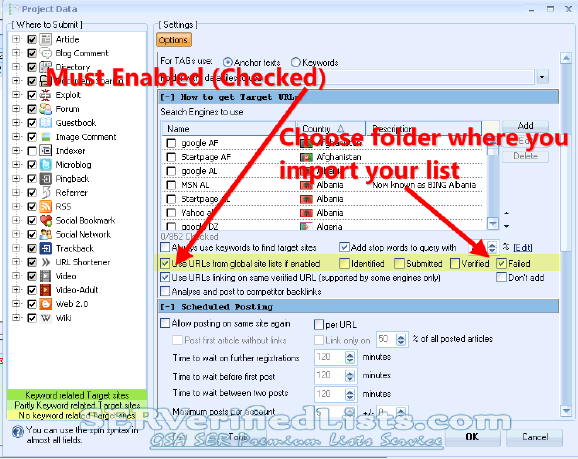
- Target URLs: Successfully created and verified tier 2 backlinks (you can export verified URLs from the tier 2 project).
- Engines: All available, including Forum Profile, Guestbook, Image Comment, Wiki, and Ping.
- Filters: Almost none – allow Do-Follow and No-Follow, accept any domain authority, no OBL limit.
- Content: Heavily spun comments and short generic sentences, using a massive keyword list.
- Submissions: Unlimited, with random delays between 10 and 120 seconds.
Why Tiered Link Building with GSA SER Still Matters in Modern SEO
Despite Google’s advances in AI and link spam detection, layered link building remains effective when executed with restraint. It replicates the natural phenomenon where good content attracts shares, mentions, and low-quality references organically. The tiered model provides a controlled simulation: authoritative sites link to you, then lesser sites reference those authorities. GSA SER automates the noisy lower layers, check here allowing you to focus manual effort on acquiring genuine editorially placed links at the top. When combined with solid on-page SEO, fast hosting, and consistent content publishing, tiered link building with GSA SER can deliver noticeable ranking improvements in competitive niches.
Frequently Asked Questions
Is tiered link building with GSA SER safe for a new website?
It can be risky because new domains lack trust. It’s better to first establish manual foundational links and some organic age before introducing automated tiers. When used on a fresh site, keep tier 1 extremely clean and build tiers slowly.
How long does it take to see results?
Typically 4–12 weeks. Tiers need time to index and pass equity. The exact timeline depends on niche competition, content quality, and crawl frequency of your money page.
Do I need premium proxies and captcha solvers?
Yes, for any substantial campaign. Shared or free proxies cause failures, reduce success rate, and can flag your IPs. Services like GSA Captcha Breaker paired with 2Captcha integration handle the majority of challenges.
Can GSA SER build tier 1 links directly?
It can, but with heavy restrictions. Only use it for tier 1 if you supply hand-written articles, target high-metric platforms, and run strict verification steps. Even then, manual oversight is recommended.
What content spinners work best for lower tiers?
WordAI and Spin Rewriter produce human-readable spins suitable for tier 2. For tier 3, simpler tools like The Best Spinner or even GSA’s integrated auto-fill with heavy sentence-level spinning suffice.
Should I index all lower-tier links?
Not necessarily. Focusing indexing efforts on tier 2 is more valuable. Tier 3 links often get indexed passively through crawling of tier 2 pages. Wasting indexing credits on deep tiers can raise red flags.